A Field Guide to Castiglion Fiorentino and the Val di Chio
Where I actually go in eastern Tuscany: Castiglion Fiorentino and the Val di Chio near Cortona. Towns, tables, wineries, and thermal springs, the honest short list.


Where I actually go in eastern Tuscany: Castiglion Fiorentino and the Val di Chio near Cortona. Towns, tables, wineries, and thermal springs, the honest short list.
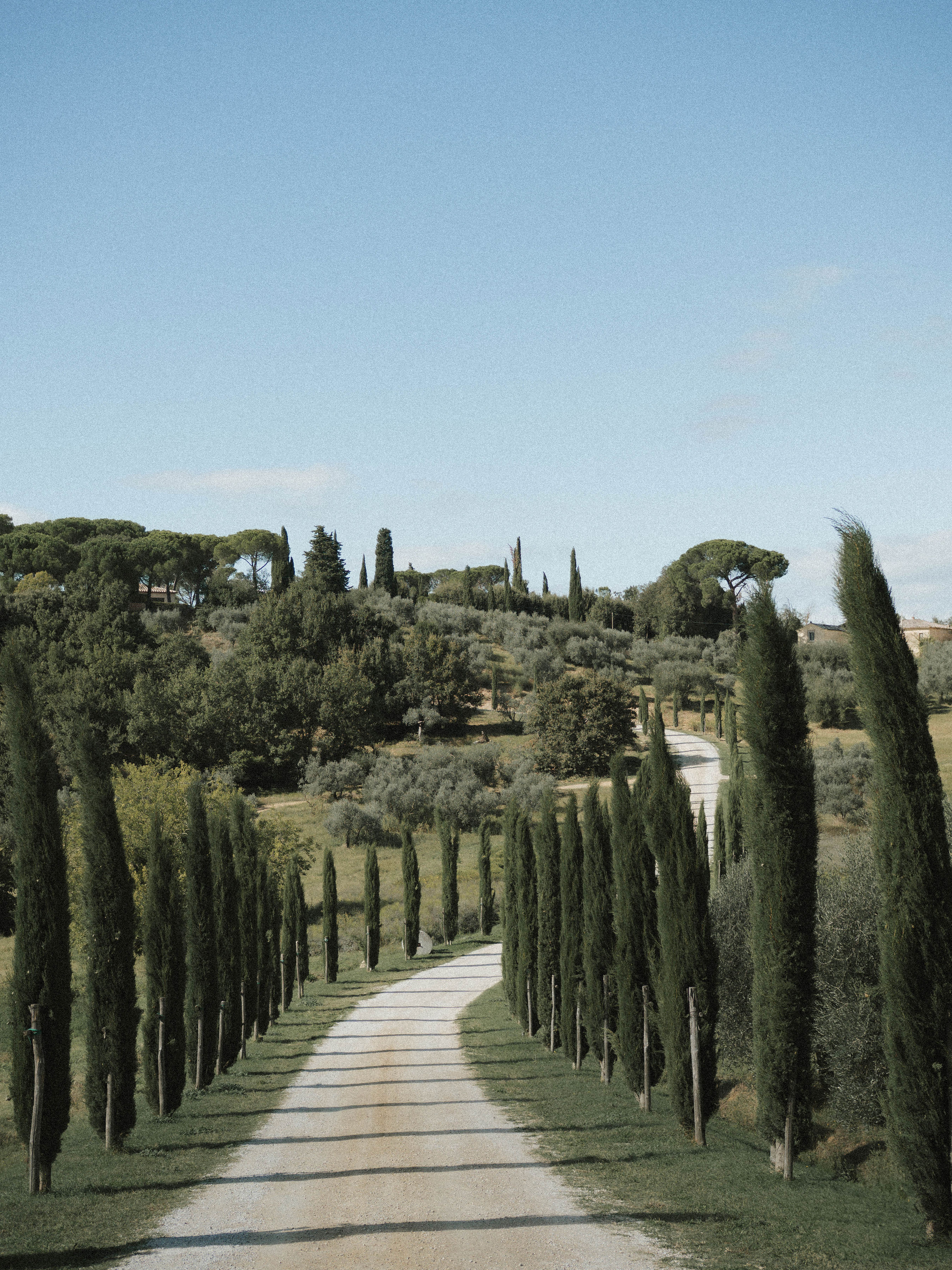
Everyone asks where we actually go. Not the Tuscany of the postcards, but the corner we live in and send friends to. So here is the honest short list for Castiglion Fiorentino and the Val di Chio, the valley in eastern Tuscany, just south of Arezzo and a short drive from Cortona, where we landed and stayed. This is the slow, unglamorous, deeply good version of Tuscany: fewer tour buses, more Tuesday markets, and a valley that still runs on farming and family names.
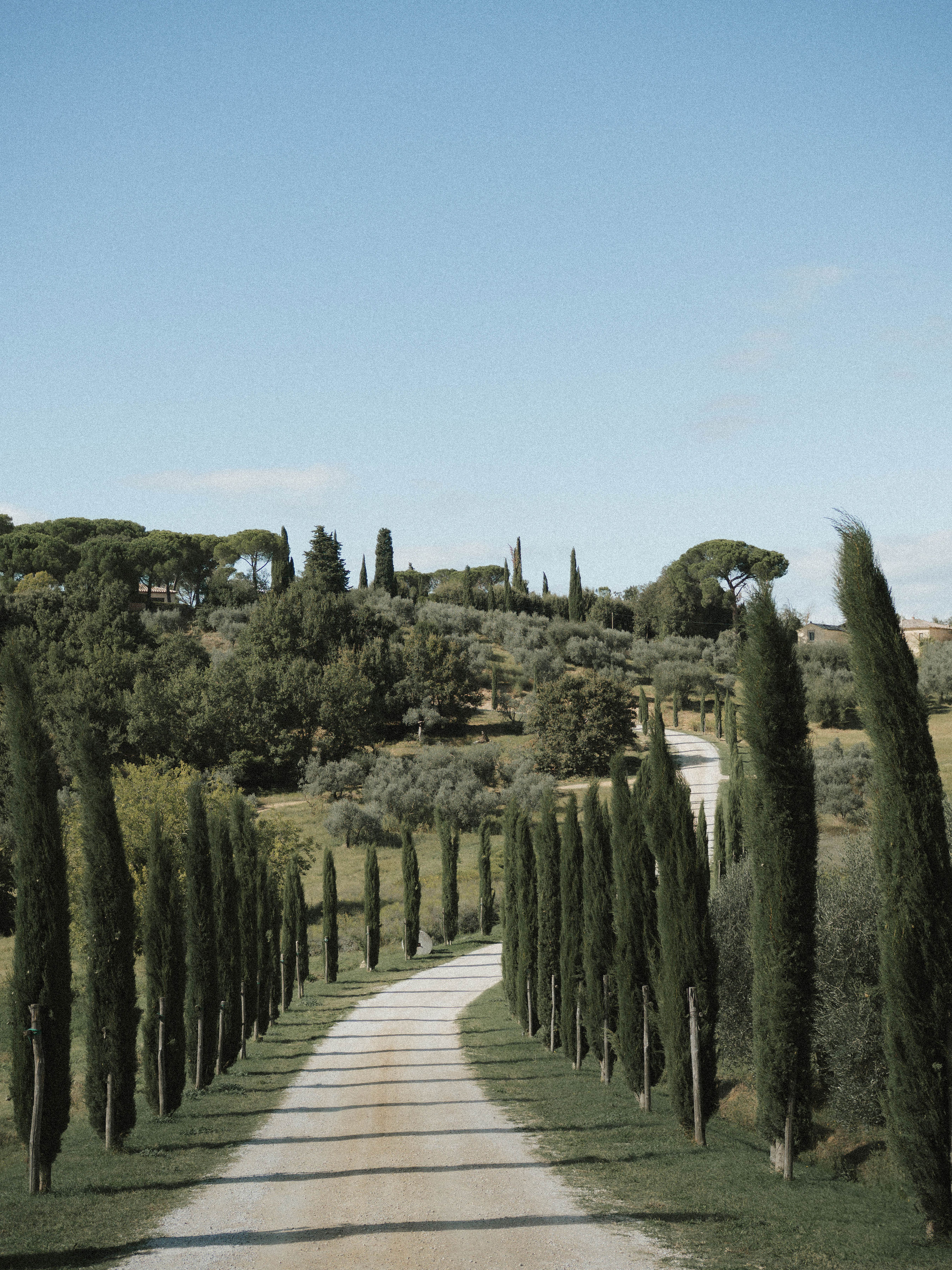
Castiglion Fiorentino is a walled hill town in the province of Arezzo, sitting between Arezzo and Cortona along the old Valdichiana. The Val di Chio is the small green valley that unrolls east of the town toward the hills, dotted with stone farmhouses, vineyards, and the occasional castle. If you have been to Cortona and loved it, this is the quieter valley next door, fifteen minutes away, where the people who serve you in Cortona actually live.
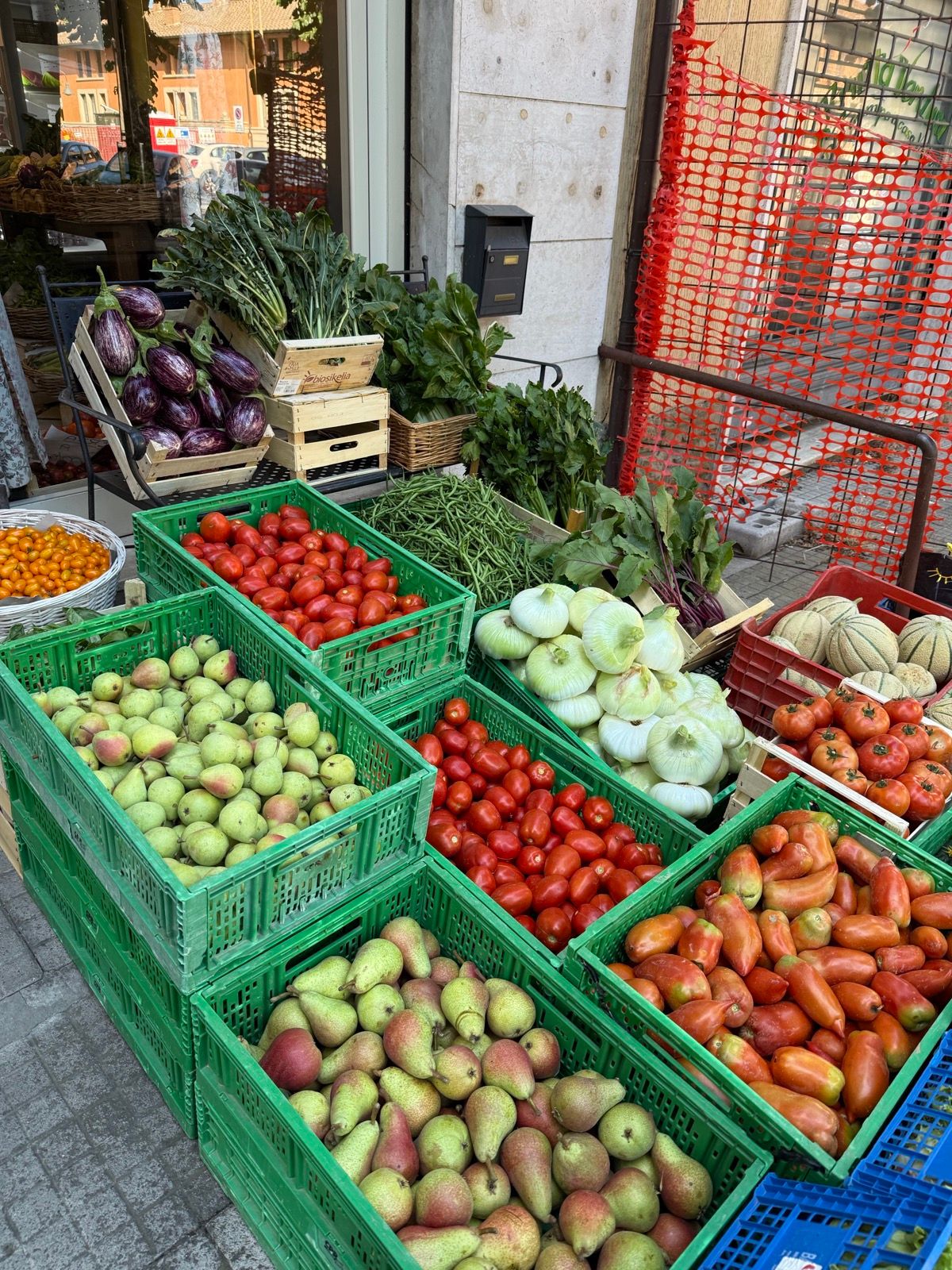
Start in the old center. The Torre del Cassero is the town's landmark tower, and the climb gives you the whole valley at once. The Loggiato Vasariano, the arched gallery on the main piazza, frames the countryside like a painting somebody hung on purpose. It is not a museum town; it is a working one, which is the charm. Come on market day and the piazza fills with produce, cheese, porchetta, and the particular unhurried noise of a town doing its shopping.
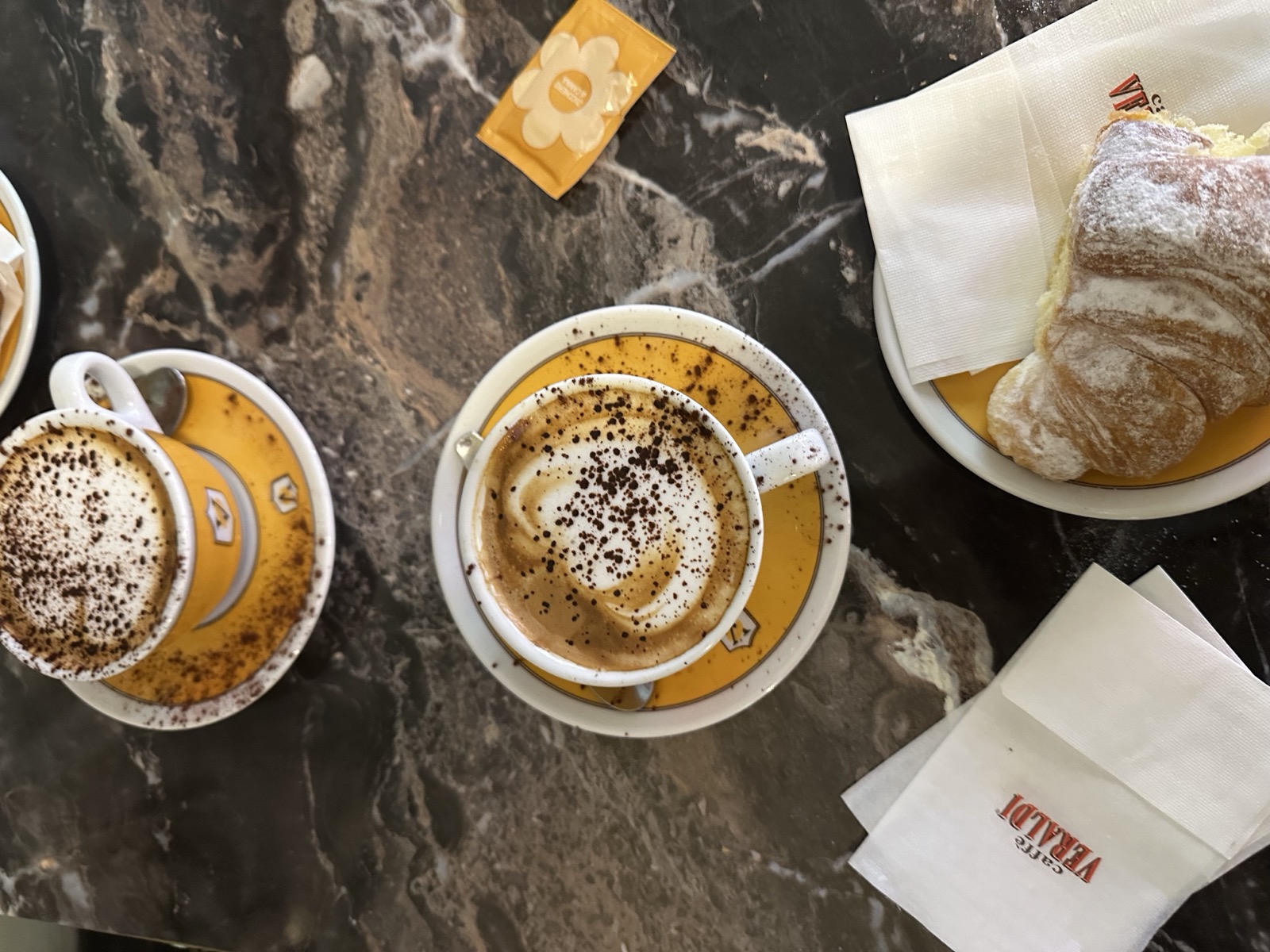
The honest truth about eating here is that the best meals are often the least photogenic. A few notes, without turning this into a listicle:
The rule I give everyone: eat where the parking lot has local plates and the menu is short. A short menu means they cook what is good that week.
This valley is quietly serious about wine, and because I now work with a couple of the estates here, I can tell you the good ones share a trait: they are family-run and they let you taste where the wine is actually made. The Buccelletti estate has farmed the Val di Chio since 1625, with a restored olive mill and a family chapel you can tour; it is the estate where I hosted a wellness retreat this past May. La Pievuccia, down the road, does a warm tasting with a light lunch. An e-bike between the two, through the vineyards, is the best afternoon this valley offers.
When you want to undo a week of walking and eating, the wider region delivers. La Posta, out in the Val d'Orcia, is free volcanic hot water with the hills rolling out around you. It is a drive, but it is the most Tuscan possible way to do nothing. Closer to home, ask locally; small thermal spots come and go with the seasons, and the person pouring your coffee will know which one is worth it right now.
It is a walled hill town in the province of Arezzo, eastern Tuscany, between Arezzo and Cortona, at the edge of the Val di Chio valley. About fifteen minutes from Cortona by car.
If you want the quieter, working version of Tuscany, yes. It has the towns, the food, and the wineries of the famous areas with far fewer crowds, because it is where locals actually live and farm.
Effectively yes. Trains reach the main towns, but the valley's wineries, farm stays, and thermal springs are spread across the countryside and need a car.
Late spring and early autumn. You get long golden light and the harvest energy without the peak-summer heat or the mid-August shutdown when many businesses close.
Several family estates in the Val di Chio welcome visitors for tastings, including Buccelletti, which has farmed here since 1625, and La Pievuccia. Book ahead, and consider an e-bike tour between them.
I came to this valley by accident, after a house we loved fell through, and it turned out to be the best accident of the whole move. It is not the Tuscany people photograph. It is the Tuscany people live in, and after a year here I would not trade it for the postcard version. Come in the shoulder season, rent a car, and let the afternoons close on you.
Want the longer version, the exact towns, tables, wineries, and springs I send friends to, in one place? Get my free Field Notes from the Valdichiana guide here. And if a move is on your mind, wander through my corner of Tuscany or read more field notes.