How to Start Over in a New Country: A Field Guide from Year One
A field guide to starting over in a new country from our first year in Italy: the paperwork spine, the town that picks you, and the slow rebuild the checklist leaves out.


A field guide to starting over in a new country from our first year in Italy: the paperwork spine, the town that picks you, and the slow rebuild the checklist leaves out.
There is a version of how to start over in a new country that fits on a checklist: visa, bank account, tax code, lease, a language app with a streak going. I made that checklist. I color coded it. Then we landed in Italy with two kids and eleven suitcases, and within a month I understood that the checklist was the easy layer. The real work of starting over happens in places no checklist reaches. This is the field guide I wish someone had handed me on the plane, with both layers in it.
Moving your life to another country is two projects wearing one name. The first project is administrative: residency, the codice fiscale, school enrollment, a phone plan that does not assume you have lived here for years. The second project is personal: rebuilding competence, community, and identity from close to zero. The administrative project takes months and produces receipts. The personal one takes longer, and no office ever stamps it done.
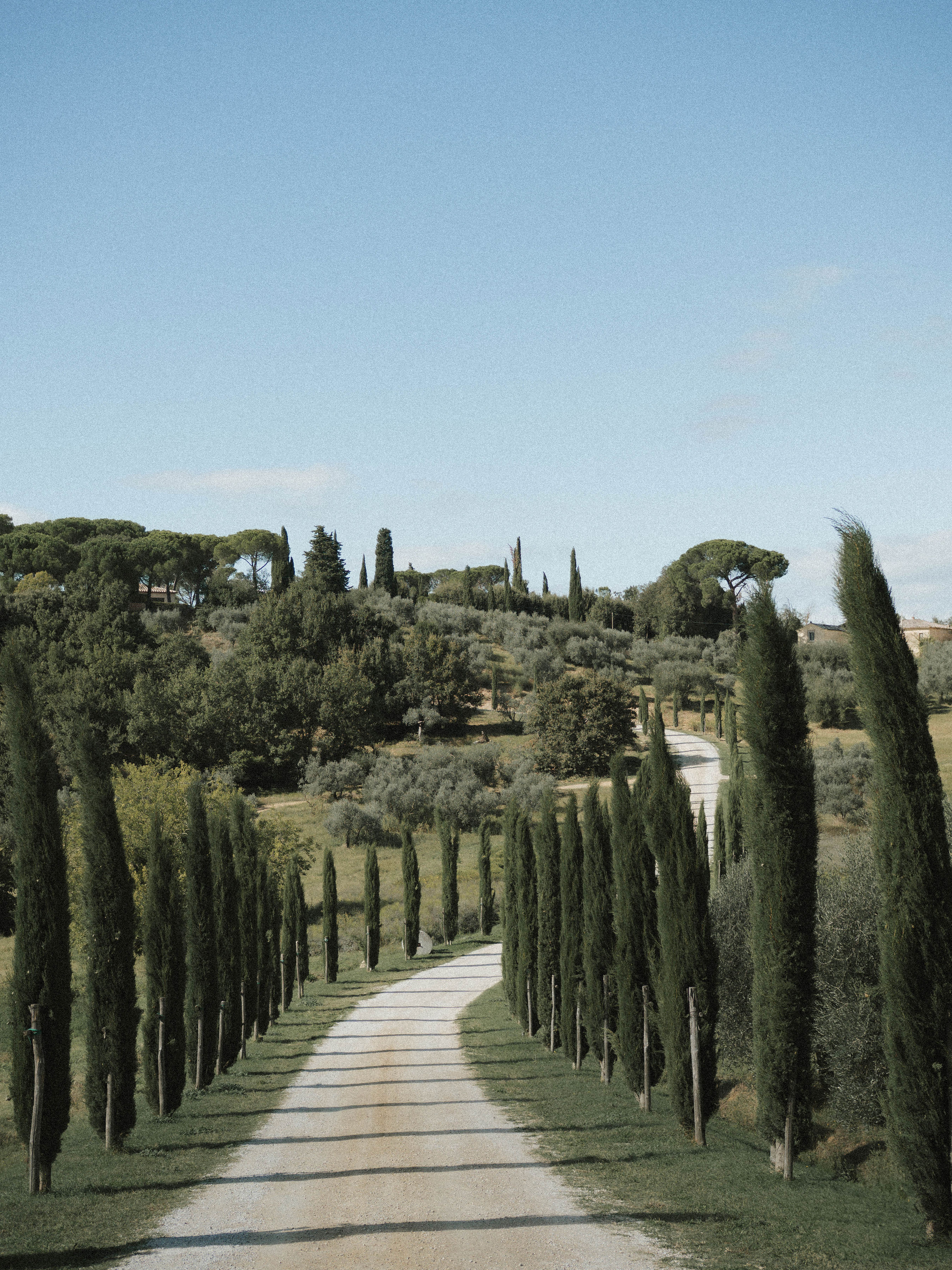
We did this the loud way. We sold our businesses and our house in Denver and moved to the Valdichiana in eastern Tuscany. Three weeks after moving into the farmhouse we thought was the whole point, we lost it. I am not re-telling that story here. I bring it up because it taught me the most useful thing I know about starting over: your plan will break somewhere, and the quality of your new life depends far more on how you rebuild than on how well you planned.
The paperwork takes months. Feeling established took us most of a year, and we are still layering it in. A useful marker is the first time you handle a small crisis entirely inside the new country's systems without calling anyone back home.
We did it with two children, two sold businesses, and a mortgage's worth of doubt. Age gave us savings, skills, and a clearer idea of what we wanted from a day. The tradeoff is that you have more identity to set down at the border. Both things are real.
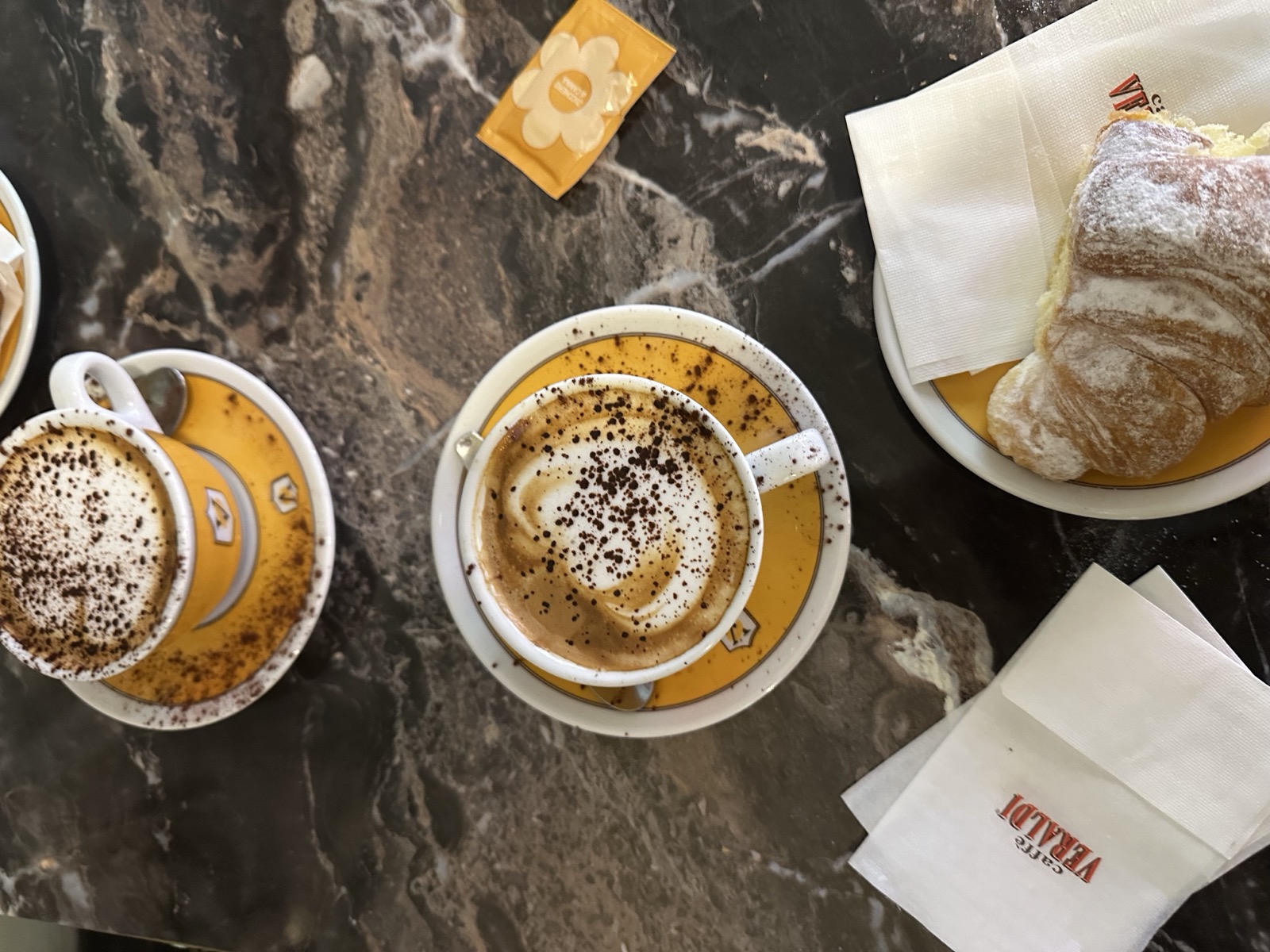
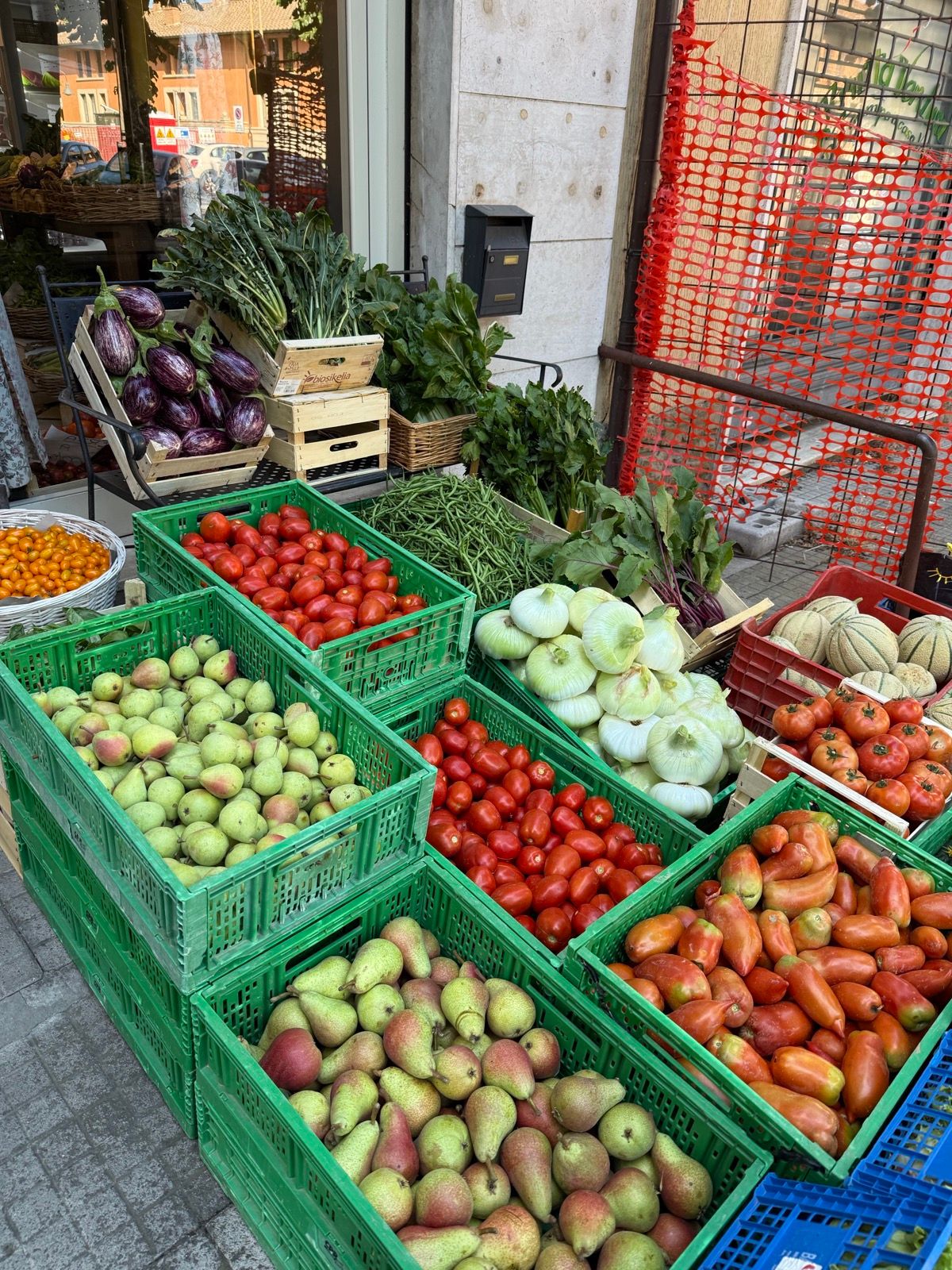
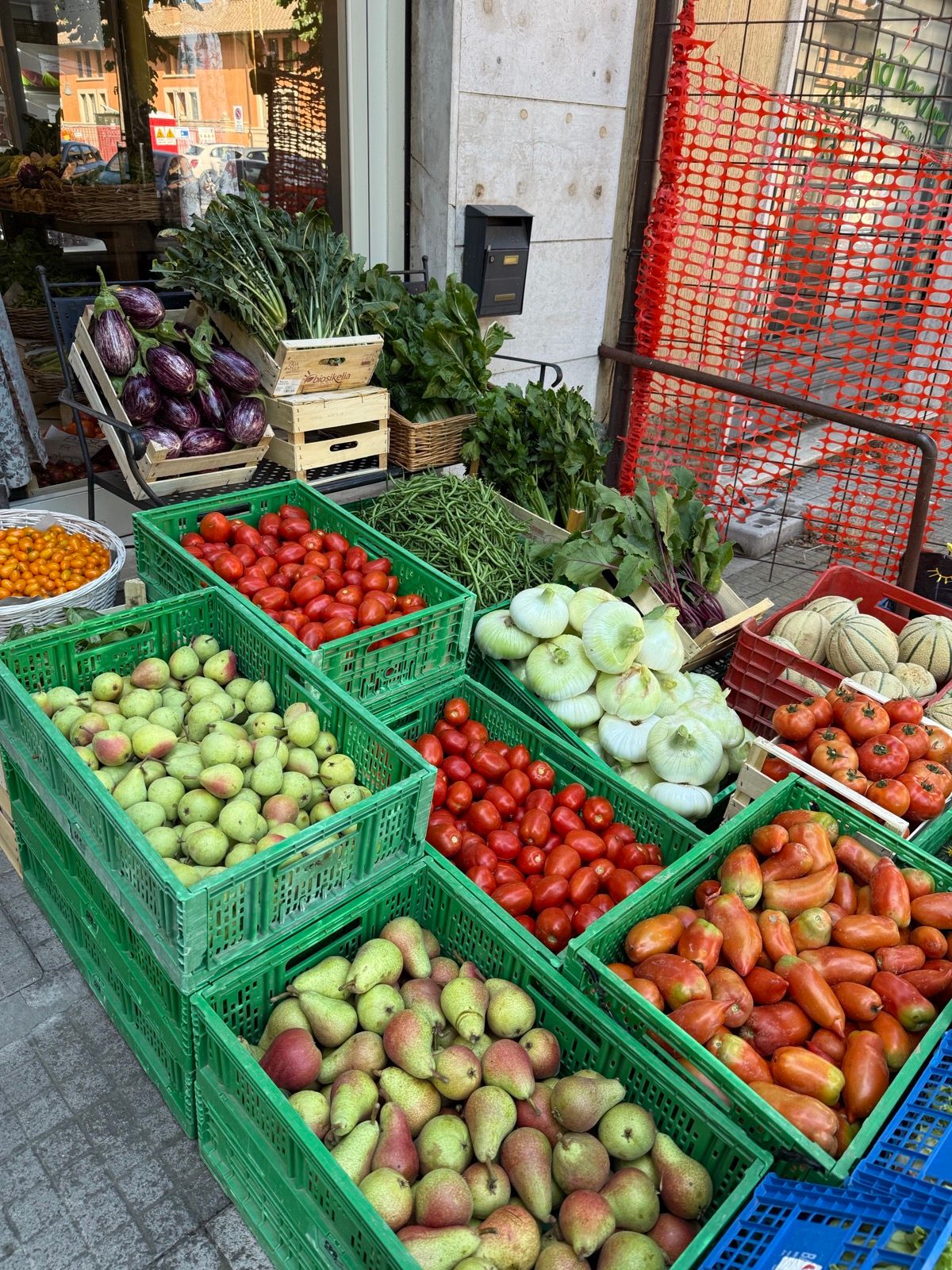
Repetition beats charisma. The same bar, the same market stalls, the school gate, the village festivals. We were invited into lives here because we kept appearing, badly conjugated and on time.
Learn as much as you can, and expect it to survive contact with reality for about one day. Real fluency started for us at the school gate and the market, out loud, with mistakes.
Something probably will. For us it was losing the farmhouse we had waited nine months to move into, three weeks after we got the keys. A broken plan says almost nothing about year five. Give the decision a full four seasons before you grade it.
A year in, the checklist is finished and mostly forgotten. What remains is the slower project: the bar that knows our order, the girls arguing in Italian in the back seat, the valley we chose twice, once on faith and once with our eyes open. If you are standing at the start of your own version, build the spine, pick your town carefully, and then give yourself the unglamorous middle months on purpose. That is where the new life actually gets built.
I write the honest version of starting over in Italy: home, motherhood, identity, and the slow rebuild of a life. Start with the practical guide to moving to Italy from the US, or browse all the field notes here.